
In today’s fast-paced digital world, marketers face a constant challenge: reaching the right people at the right time. Traditional methods of identifying target audiences often rely on guesswork and broad demographics. However, artificial intelligence is changing the game. AI target audience identification uses advanced algorithms to analyze vast amounts of data, uncovering insights that were once hidden.
Imagine crafting campaigns that resonate deeply with your audience, boosting engagement and conversions. This guide explores how AI empowers marketers to do just that. We’ll cover definitions, benefits, tools, practical steps, real-world examples, challenges, and future trends. Whether you’re a beginner or seasoned pro, you’ll find actionable advice here.
By leveraging AI, you can move beyond basic segmentation. It predicts behaviors, personalizes experiences, and optimizes strategies. As a result, your marketing efforts become more efficient and effective. Let’s dive in and discover how AI can transform your approach to audience identification.
What is AI Target Audience Identification?
AI target audience identification refers to using machine learning and data analytics to pinpoint ideal customers. It goes beyond simple demographics like age or location. Instead, AI examines behaviors, preferences, and patterns in real-time.
The Basics of AI in Audience Analysis
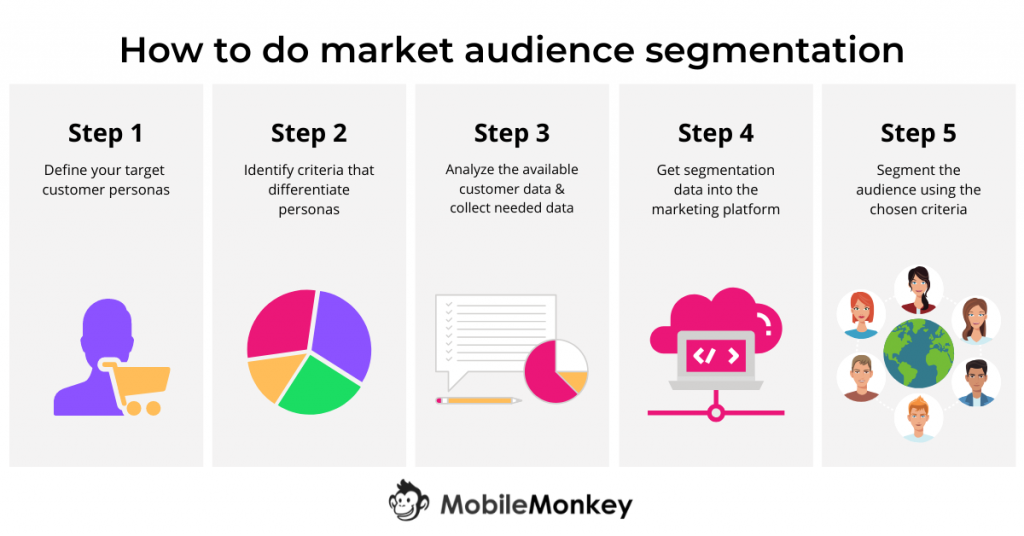
At its core, AI processes large datasets from sources like social media, website interactions, and purchase history. For instance, algorithms can cluster users based on similar traits. This creates precise segments for targeted marketing.
Moreover, AI uses predictive modeling to forecast future actions. If a user browsed fitness gear, AI might identify them as health enthusiasts. Consequently, you can tailor content accordingly.
Key Components of AI Systems
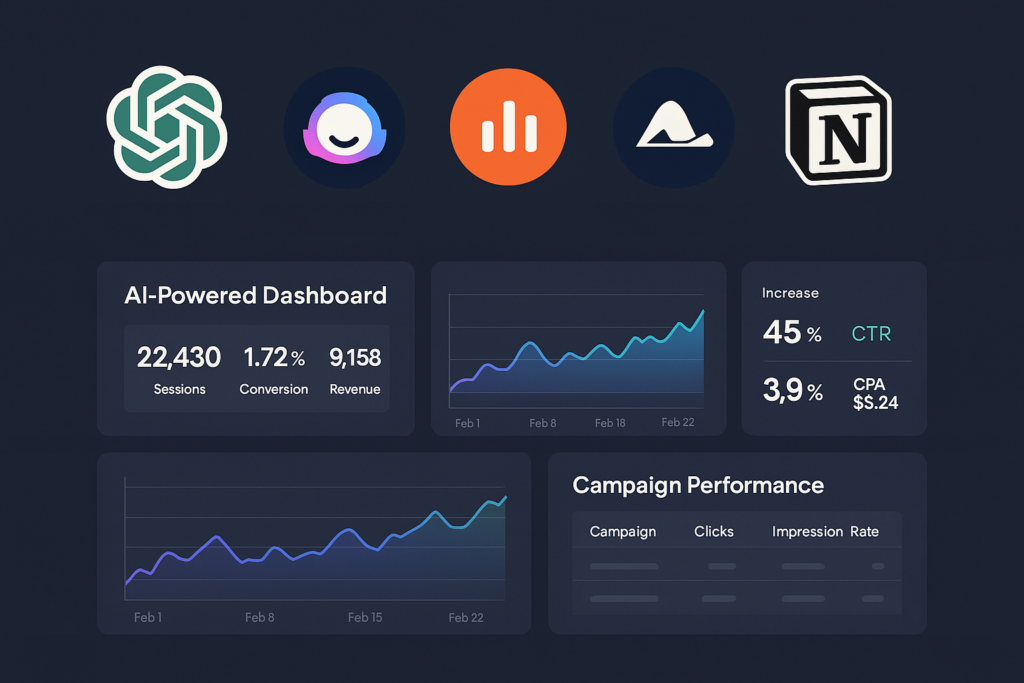
AI systems typically include data collection, processing, and output stages. Data collection gathers information ethically. Processing involves cleaning and analyzing data with tools like neural networks. Finally, outputs provide insights via dashboards or reports.
In addition, natural language processing (NLP) helps understand customer sentiments from reviews. This adds depth to audience profiles.
Differences from Traditional Methods
Traditional methods often use surveys or focus groups, which are time-consuming and limited. AI, on the other hand, scales effortlessly. It handles millions of data points instantly. Therefore, it offers more accurate and dynamic insights.
Also Read: The $37 Billion Problem: How to Stop Wasting Ad Spend
The Importance of AI in Audience Identification
Why should marketers embrace AI for audience identification? The answer lies in its ability to drive results. AI enhances precision, saving time and resources while increasing ROI.
Boosting Marketing Efficiency
AI automates tedious tasks, freeing marketers for creative work. For example, it quickly segments audiences, reducing manual effort. As a result, campaigns launch faster and perform better.
Furthermore, AI minimizes waste by targeting only relevant users. This leads to higher conversion rates and lower acquisition costs.
Enhancing Personalization
Personalization is key in modern marketing. AI analyzes individual behaviors to deliver customized experiences. If a customer prefers eco-friendly products, AI can recommend them specifically.
Consequently, this builds loyalty and trust. Studies show personalized marketing increases engagement by up to 20%.
Gaining Competitive Edge
In a crowded market, AI provides an advantage. It uncovers niche segments competitors might miss. Moreover, real-time insights allow quick adaptations to trends.
For instance, during a viral event, AI can identify shifting interests. Thus, your brand stays relevant and ahead.
Top AI Tools for Identifying Your Target Audience
Several AI tools make audience identification accessible. Let’s explore some top options, based on their features and ease of use.
- HubSpot’s Breeze AI
HubSpot’s Breeze AI integrates with CRM data to generate audience personas. It analyzes interactions and suggests segments. Plus, it’s user-friendly for teams.
To start, input your data and let AI do the rest. It’s great for inbound marketing strategies.
- ExactBuyer
ExactBuyer uses AI to find B2B prospects. It scans public data for matches based on your criteria. As a result, you get verified leads quickly.
Additionally, it offers real-time updates, ensuring accuracy.
- OpinioAI
OpinioAI focuses on sentiment analysis. It processes feedback to identify audience preferences. This tool excels in qualitative insights.
For marketers, it helps refine messaging based on emotions.
- Pixis
Pixis employs AI for ad targeting across platforms. It predicts audience behavior for optimized campaigns. Moreover, it includes automation features.
- GapScout
GapScout analyzes competitors’ audiences. It identifies gaps in your strategy. Consequently, you can target underserved segments.
- Userpersona
Userpersona generates detailed personas from data inputs. It’s ideal for startups building audience profiles.
Practical Methods to Implement AI Audience Identification
Implementing AI doesn’t have to be complex. Follow these steps for success.
- Step 1: Define Your Goals
Start by outlining what you want to achieve. For example, increase leads or improve retention. This guides your AI setup.
- Step 2: Gather Data
Collect data from multiple sources. Use tools like Google Analytics for website metrics. Ensure compliance with privacy laws.
Step 3: Choose the Right Tool
Select a tool that fits your needs. Consider integration and scalability.
- Step 4: Analyze and Segment
Run AI analyses to create segments. Look for patterns in behavior and demographics.
- Step 5: Test and Iterate
Launch small campaigns to test segments. Monitor results and refine with AI feedback.
- Advanced Tips
Use A/B testing within AI tools. Integrate with email platforms for automated personalization.
Real-World Case Studies
Salesforce leveraged AI for real-time customer segmentation, increasing customer satisfaction by 15–20% and significantly improving retention rates through personalized outreach. Bloomreach used AI to create high-purchase-probability audience groups, optimizing ad budgets became more efficient, and conversion rates rose sharply.
Meanwhile, OmniFunnel implemented dynamic real-time targeting with AI, dramatically boosting engagement while quickly overcoming early data integration challenges. These examples prove just how transformative AI target audience identification can be when put into action.
Optimized Version – Common Challenges and How to Overcome Them
Although AI is powerful, it still comes with several challenges that marketers must handle carefully. One of the biggest issues is data privacy. Regulations such as GDPR can create serious risks if customer data is handled incorrectly. For this reason, businesses should rely on anonymized data and apply fully transparent data practices. In addition, they should clearly inform users about how their data is collected and used.
Another major challenge is bias in algorithms. When AI systems are trained on limited or unbalanced data, the results can become inaccurate or even unfair. As a result, targeting can miss important segments or favor the wrong ones. To prevent this, marketers should use diverse datasets and perform regular audits of their AI models. This helps ensure fair and accurate outcomes over time.
Integration issues can also slow down AI adoption. Some tools do not easily connect with existing platforms or workflows. However, this problem can be solved by choosing compatible systems or using APIs to connect different tools smoothly. With the right integration strategy, data can flow correctly between platforms.
High costs are another concern, especially for small teams. Advanced AI tools may require a large budget. However, marketers can start with free or low-cost tools and then scale up gradually as performance improves. Finally, a lack of skills can limit successful implementation. To overcome this, companies should train their teams or work with AI experts who can manage complex systems effectively.
The Future of AI in Marketing Audience Identification
The future of AI in marketing audience identification is moving forward at an incredible pace. One important development is hyper-personalization at scale. With the help of predictive analytics, AI will deliver true one-to-one marketing experiences. As a result, brands will be able to meet customer needs before those needs are even expressed.
In addition, AI will increasingly work with emerging technologies like augmented reality and virtual reality. This combination will allow businesses to create immersive and interactive experiences. Through these experiences, marketers will gain a deeper understanding of audience preferences and behavior.
At the same time, ethical AI will become a top priority. Future systems will focus more on fairness, transparency, and responsible data use. Therefore, new regulations and improved technologies will support bias-free algorithms. Finally, predictive behavioral insights will reach a new level of accuracy. This will help marketers anticipate trends, develop proactive strategies, and stay ahead of their competition.
Conclusion
AI target audience identification is a game-changer for marketers. From precise segmentation to personalized campaigns, it offers tools and methods to thrive. By overcoming challenges and embracing trends, you can stay ahead.